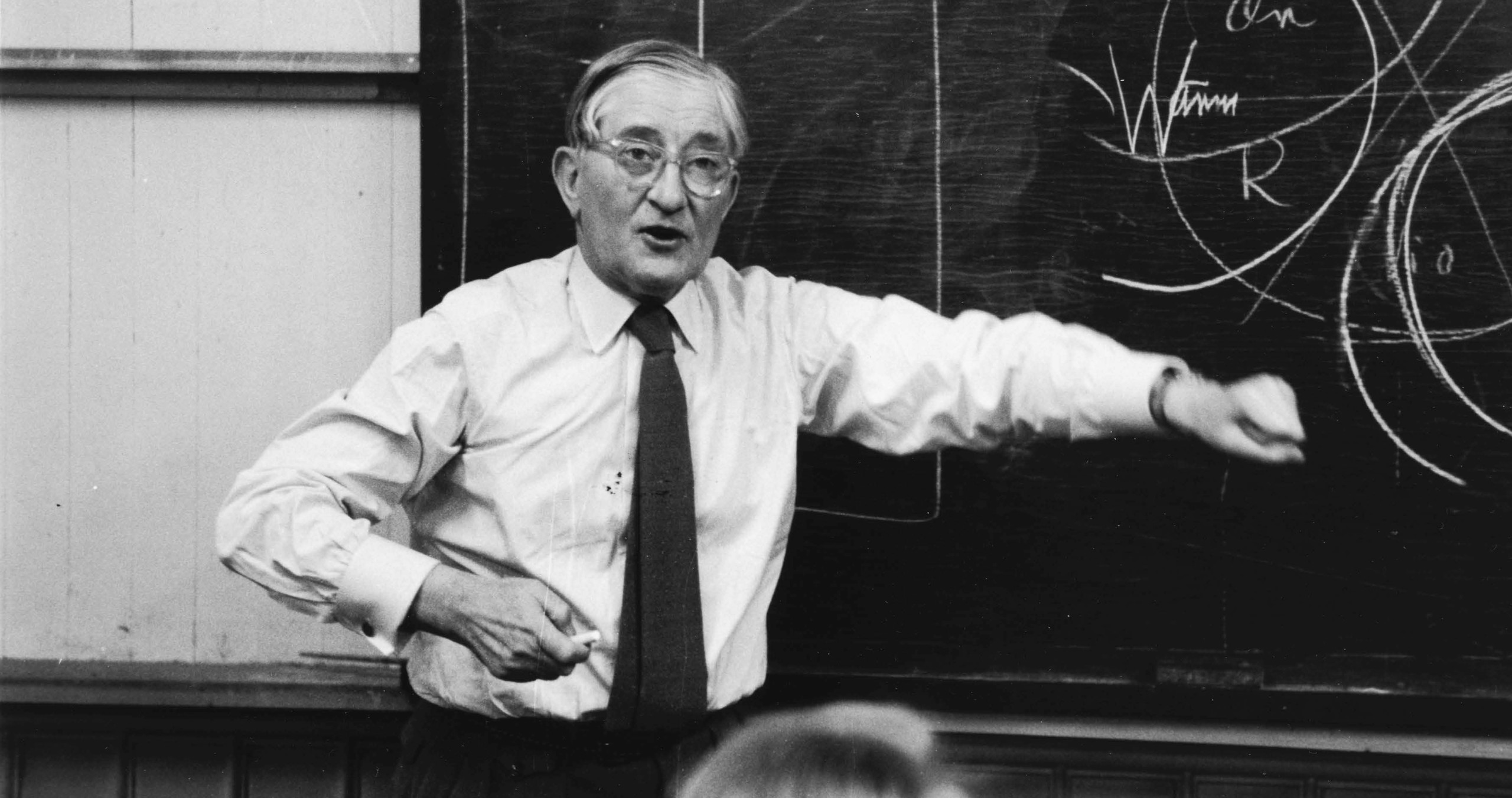
Josef Albers, a German-American artist and educator, left an indelible mark on the study of color and its impact on human perception. His research, embodied in his masterpiece "Interaction of Color" (1963), revolutionized the teaching of color 1 and laid the foundation for a deeper understanding of the interaction between visual perception and learning. This article explores Albers' key ideas about color and color psychology, and how they can be applied to neuroeducation to enrich the teaching-learning process.
The Relativity of Color: A Fundamental Pillar
Albers challenged the traditional notion of color as an objective and immutable property. Through experiments with colored papers, he demonstrated that color perception is relative and influenced by context 2. He observed that the same color can appear different depending on the colors that surround it, a phenomenon he called "simultaneous contrast" 3. To illustrate this concept, Albers used the analogy of three buckets of water: one with hot water, one with warm water, and the last with cold water. If we immerse our hand first in the hot water and then in the warm water, the latter will feel cold. But if we start with the cold water, the warm water will feel hot. This occurs despite the fact that the physical temperature of the warm water remains constant 4. In the same way, our perception of color is affected by the colors that surround it. This central idea, that color is not absolute but is experienced differently depending on its interaction with other colors 2, has significant implications for neuroeducation.
Experience as Teacher: "Seeing" Color
Albers believed that understanding color was achieved through direct experience and experimentation 5. Instead of prioritizing theory, he advocated a practical approach where students "saw" and "felt" the relationships between colors 5. In his book "Interaction of Color" (1963), Albers describes a series of exercises that invite students to explore the subtleties of color and develop greater sensitivity to chromatic interactions 4. For example, one exercise involves making three colors look like two, which teaches students about the relativity of color. Another exercise focuses on the illusion of transparency and space, where colors on a two-dimensional surface appear to emerge and recede 6. Albers also used the "afterimage effect" to demonstrate the interaction of color. This effect occurs when, after staring at an image with specific colors for a while, when looking at a white surface, the complementary colors are perceived 5.
This methodology, which prioritizes practice over theory 5, aligns with the principles of neuroeducation that emphasize the importance of active learning and sensory experience. By involving students in hands-on activities with color, educators can:
- Stimulate brain plasticity: Promote the formation of new neural connections through sensory exploration and experimentation.
- Encourage critical thinking: Develop the ability to observe, analyze, and articulate the subtleties of color and its effects on perception.
- Cultivate creativity: Inspire artistic expression and the exploration of new ways to use color.
Color in Composition: Beyond Aesthetics
Albers also explored the role of color in composition and its psychological impact on the viewer 1. He recognized that colors possess emotional and symbolic qualities that can evoke different moods and sensations3.
| Color | Emotional/Symbolic Quality | Application in Education |
|---|---|---|
| Red | Energy, passion, excitement | Stimulate attention, create a dynamic environment |
| Blue | Calm, serenity, trust | Promote concentration, create a relaxing environment |
| Green | Nature, growth, harmony | Encourage creativity, create a peaceful environment |
| Yellow | Joy, optimism, clarity | Stimulate positive thinking, create a bright environment |
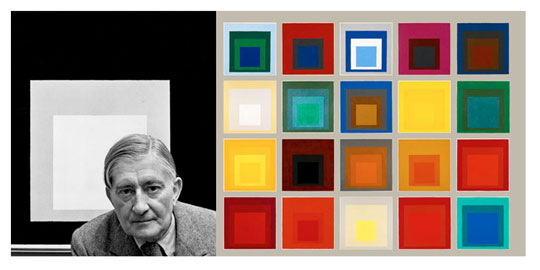
In his works, such as the "Homage to the Square" series, Albers meticulously investigated chromatic interactions, recording color combinations and their visual effects 7. This series, composed of squares within squares, allowed him to explore how the placement of colors affected their vibration, opacity, and intensity7. In the context of neuroeducation, understanding how color influences composition can help educators design more effective teaching materials, create more pleasant learning environments, and communicate ideas more effectively.
Practical Applications in Neuroeducation
Albers' ideas about color and perception have practical applications in the classroom. By understanding the relativity of color and its impact on perception, educators can use color strategically to:
- Capture attention: Contrast and color combinations can highlight important information, create visual hierarchies, and direct student attention.
- Improve memory: Associating specific colors with concepts or ideas can facilitate the encoding and retrieval of information.
- Influence mood: Color palettes can create atmospheres that promote concentration, creativity, or relaxation.
Josef Albers and Neuroeducation: A Continuing Legacy
Josef Albers' ideas about color and perception have enduring relevance in the field of neuroeducation. His experimental approach, his emphasis on sensory experience, and his deep understanding of the relativity of color offer educators valuable tools to create richer and more meaningful learning experiences. By integrating Albers' principles into educational practice, we can harness the power of color to stimulate the mind, awaken curiosity, and enhance learning.
Synthesis and Conclusions
Josef Albers, through his work with color, perception, and the interaction of color, laid the foundation for a deeper understanding of how the brain processes visual information. His ideas, embodied in his work "Interaction of Color" and in his experiments with students, have direct relevance to neuroeducation.
By understanding the relativity of color and its impact on perception, educators can use color strategically to capture attention, improve memory, and influence students' mood. Albers' emphasis on experience and experimentation aligns with the principles of neuroeducation that promote active learning. By involving students in hands-on activities with color, brain plasticity is stimulated, critical thinking is encouraged, and creativity is cultivated.
In short, Josef Albers' legacy offers educators a valuable tool to understand and harness the power of color in the teaching-learning process. By integrating his ideas into educational practice, we can create richer, more stimulating, and meaningful learning experiences for all students. His work continues to inspire educators and artists to explore the possibilities of color and its impact on the human mind, leaving a legacy that will endure over time.
References List
1. Josef Albers - Wikipedia, access: december 1, 2024, https://en.wikipedia.org/wiki/Josef_Albers
2. DESIGN STUDY: JOSEF ALBERS & COLOR RELATIVITY - Bagtazo, access: december 4, 2024, https://www.bagtazocollection.com/blog/2015/11/5/design-study-josef-albers-color-relativity
3. Josef Albers Colour Theory - Printed Editions, access: december 2, 2024, https://www.printed-editions.com/art-lounge/art-history-art-now/josefs-albers-colour-theory/
4. Exercises from 'Interaction of Color' by Josef Albers - Jeff Zych, access: december 11, 2024, http://jlzych.com/2020/04/29/exercises-from-interactions-of-color-by-josef-albers/
5. The Magic and Logic of Color: How Josef Albers Revolutionized Visual Culture and the Art of Seeing - The Marginalian, access: december 15, 2024, https://www.themarginalian.org/2013/08/16/interaction-of-color-josef-albers-50th-anniversary/
6. Josef Albers & Color Instrumentation – Domestika, access: december 12, 2024, https://www.domestika.org/en/blog/11940-josef-albers-color-instrumentation
7. Interaction of Color: The Importance of Joseph Albers to Color Theory | by Kira Straub, access: december 1, 2024, https://medium.com/@straubkira/interaction-of-color-the-importance-of-joseph-albers-to-color-theory-575b6d3fad10
8. Interaction of Color: The Importance of Joseph Albers to Color Theory | by Kira Straub, acceso: diciembre 1, 2024, https://medium.com/@straubkira/interaction-of-color-the-importance-of-joseph-albers-to-color-theory-575b6d3fad10